
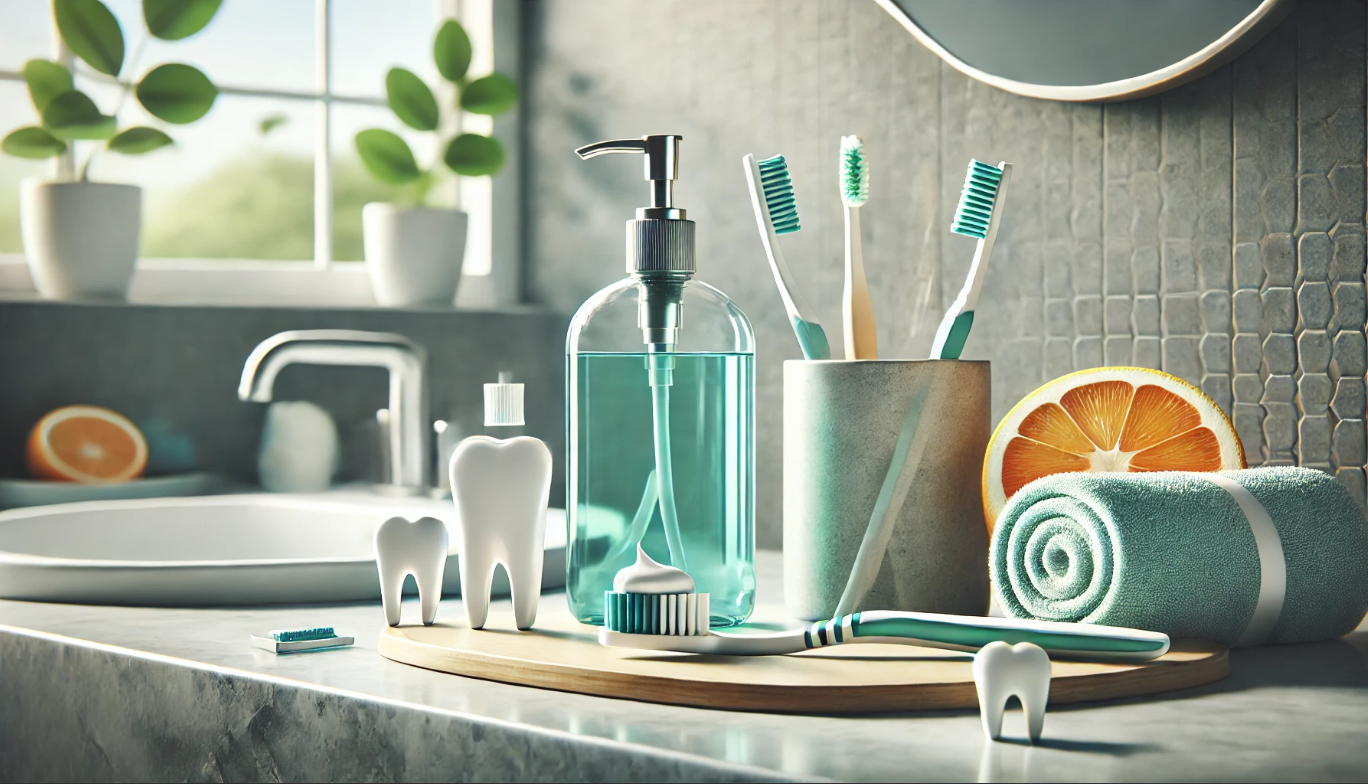
Maintaining good oral hygiene is essential for a healthy smile and overall well-being. While regular visits to the dentist are crucial, your daily oral care routine at home plays a significant role in preventing cavities, gum disease, and other dental issues. In this comprehensive guide, we’ll explore the top tips for maintaining oral hygiene at home, ensuring that your teeth and gums remain in optimal condition. These tips will help you establish effective habits and improve your oral health.
1. Brush Your Teeth Twice a Day
Brushing your teeth twice a day is the foundation of good oral hygiene. It’s important to brush in the morning and before bedtime to remove plaque and food particles that accumulate throughout the day.
- Choose the Right Toothbrush: Use a toothbrush with soft bristles to avoid damaging your gums and enamel. An electric toothbrush can be even more effective in removing plaque and keeping your teeth clean.
- Use Fluoride Toothpaste: Fluoride is a key ingredient in toothpaste that helps strengthen tooth enamel and prevent cavities. Make sure your toothpaste contains fluoride for maximum protection.
- Proper Brushing Technique: Hold your toothbrush at a 45-degree angle to your gums and use gentle circular motions. Spend at least two minutes brushing all surfaces of your teeth, including the fronts, backs, and chewing surfaces.
2. Floss Daily to Remove Plaque Between Teeth
Flossing is an essential part of your oral hygiene routine that many people overlook. It removes plaque and food particles from between your teeth and along the gumline—areas that your toothbrush can’t reach.
- Choose the Right Floss: Whether you use traditional floss, floss picks, or a water flosser, the important thing is that you floss daily. Water flossers are especially helpful for those with braces or dental work.
- Flossing Technique: Gently slide the floss between your teeth, curving it around each tooth in a C shape. Be sure to clean beneath the gumline, where plaque tends to accumulate.
3. Use Mouthwash for Added Protection
Mouthwash is a great addition to your oral hygiene routine, providing extra protection against bacteria and bad breath. It can reach areas of your mouth that brushing and flossing might miss.
- Choose the Right Mouthwash: Look for a mouthwash that contains fluoride to help prevent cavities. For those with gum issues, an antiseptic mouthwash can reduce bacteria and inflammation.
- How to Use Mouthwash: After brushing and flossing, swish the mouthwash around your mouth for 30 seconds to one minute. Avoid eating or drinking for at least 30 minutes afterward to allow the fluoride to work effectively.
4. Watch Your Diet for Healthy Teeth
What you eat has a significant impact on your oral health. A balanced diet rich in vitamins and minerals is essential for strong teeth and gums.
- Limit Sugary and Acidic Foods: Foods high in sugar and acids, like candies, sodas, and citrus fruits, can erode tooth enamel and lead to cavities. Try to limit your intake of these foods and rinse your mouth with water after consuming them.
- Eat Tooth-Friendly Foods: Incorporate foods that are good for your teeth, such as dairy products, leafy greens, nuts, and crunchy fruits and vegetables. These foods provide essential nutrients like calcium and help clean your teeth as you eat them.
- Stay Hydrated: Drinking plenty of water helps wash away food particles and bacteria, keeping your mouth clean and reducing the risk of tooth decay.
5. Replace Your Toothbrush Regularly
Your toothbrush is a vital tool in maintaining oral hygiene, but it doesn’t last forever. Over time, toothbrush bristles wear out and become less effective at cleaning your teeth.
- How Often to Replace Your Toothbrush: It’s recommended to replace your toothbrush every three to four months, or sooner if the bristles are frayed. A worn-out toothbrush won’t clean your teeth as effectively and can harbor bacteria.
- Electric Toothbrush Heads: If you use an electric toothbrush, replace the head just as frequently as you would a manual toothbrush.
6. Don’t Skip Regular Dental Checkups
While maintaining oral hygiene at home is crucial, it’s equally important to visit your dentist regularly for professional cleanings and checkups.
- Why Regular Checkups Matter: Regular dental visits allow your dentist to detect early signs of cavities, gum disease, and other oral health issues before they become serious problems. Professional cleanings also remove plaque and tartar that you can’t eliminate at home.
- How Often to Visit the Dentist: Most people should see their dentist every six months, but your dentist may recommend more frequent visits if you have specific oral health concerns.
7. Consider Using Additional Oral Care Tools
In addition to brushing, flossing, and using mouthwash, there are other oral care tools that can enhance your oral hygiene routine.
- Interdental Brushes: These small brushes are designed to clean between your teeth and around braces, bridges, and implants. They’re especially useful for people with larger gaps between their teeth.
- Tongue Scrapers: Bacteria can accumulate on your tongue, leading to bad breath and plaque buildup. A tongue scraper helps remove this bacteria, keeping your mouth cleaner and fresher.
- Chewing Gum: Sugar-free chewing gum stimulates saliva production, which helps neutralize acids and wash away food particles. It’s a good option for maintaining oral hygiene between meals.
8. Stay Consistent with Your Oral Hygiene Routine
The key to maintaining good oral hygiene is consistency. Make sure you’re brushing, flossing, and using mouthwash every day, and keep up with your regular dental appointments.
- Create a Routine: Establish a morning and evening routine that includes all the essential steps of oral care. Consistency is the best way to prevent dental problems and keep your smile healthy.
- Set Reminders: If you have trouble remembering to floss or replace your toothbrush, set reminders on your phone or keep a checklist in your bathroom.
Conclusion: The Path to a Healthy Smile Starts at Home
Maintaining good oral hygiene at home is the first step toward a healthy smile and overall well-being. By following these top tips, you can keep your teeth and gums in great shape, prevent dental problems, and enjoy a bright, healthy smile for years to come. Remember, your dentist is always there to help you with personalized advice and professional care, so don’t hesitate to reach out if you have any questions or concerns about your oral health.
Call to Action:
Ready to take your oral hygiene to the next level? Contact Evershine Dental Clinic today to schedule your next checkup and receive personalized advice on maintaining your oral health at home.
Contact Information:
Call us at (insert phone number) or visit our website at (insert website) to book your appointment.